Farms & animals
rbST in dairy cows: approval, use and the milk-label disputes
Key points
- The FDA describes bST as a protein hormone made naturally in cattle.
- Food-safety review and animal-health review address different questions.
- Canada and the European Union cite animal-health concerns in the decisions described by the reference source.
- The retail-milk survey compared production-label categories and measured composition.
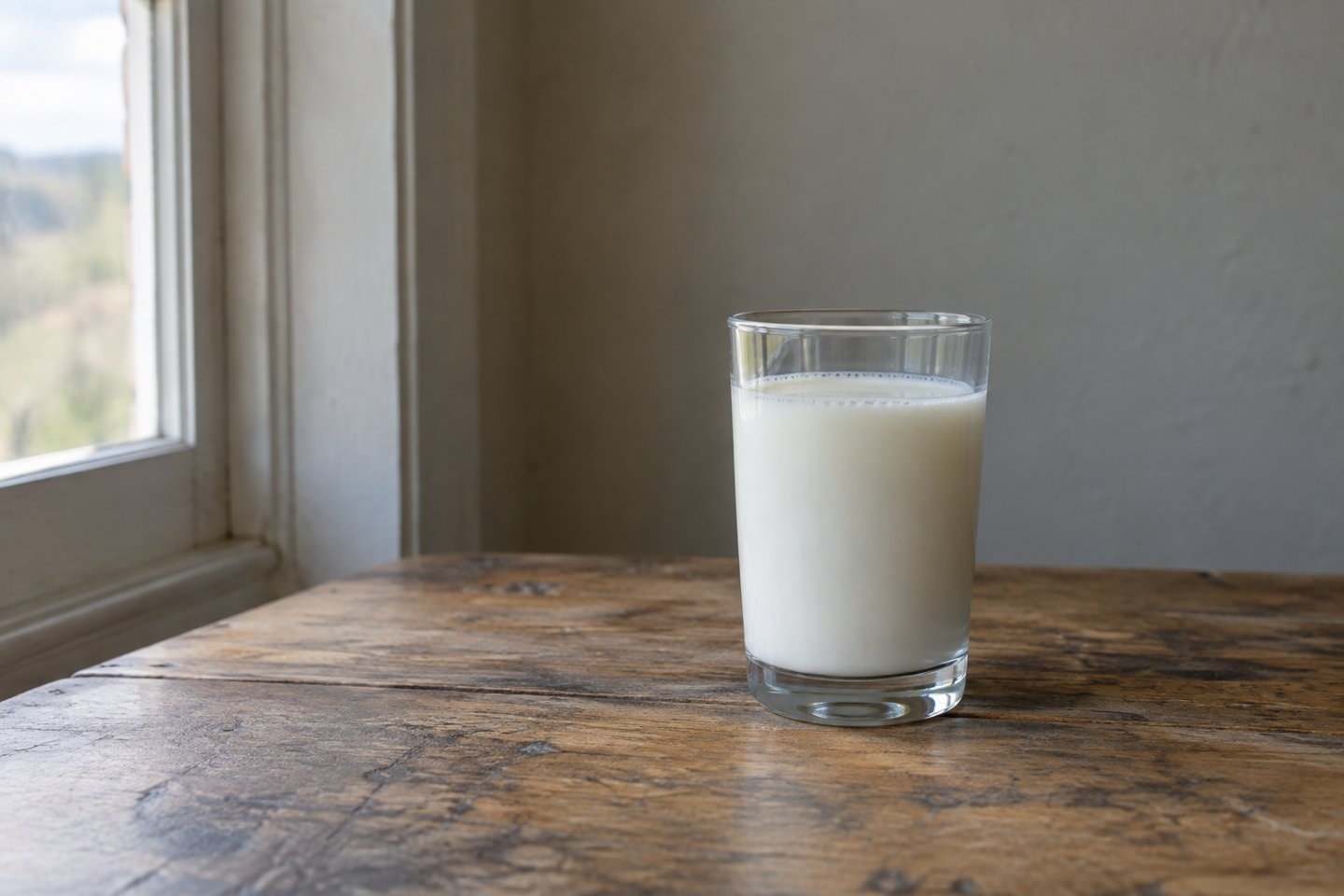
The dairy-hormone debate contains several questions that are often compressed into a short label. One concerns the hormone a cow makes. Another concerns the review of a farming practice. Others concern the composition of milk, the health of cattle and the wording on a carton. Keeping those questions apart makes the different regulatory decisions easier to describe. A finding about milk composition is not automatically a finding about animal welfare, and a production claim does not by itself describe a nutrient profile.
What bovine somatotropin is
Bovine somatotropin, shortened to bST, is the cattle form of somatotropin, a protein hormone. The FDA's page on bovine somatotropin says that somatotropin is produced in animals' pituitary glands and that recombinant bST, or rbST, is made through biotechnology; it records FDA approval in 1993. The agency describes the purpose of rbST in dairy farming as increasing milk production. The word recombinant describes how the substance is produced. It does not mean that the milk itself is a genetically engineered organism.
The FDA describes an approval review that considers the food from the animals, the animals themselves, the environment and whether the intended effect is demonstrated. Its page reports that milk and meat from treated cows met its human-food-safety requirements. The agency says that digestive enzymes break down bST as a large dietary protein and that it is not absorbed intact. These are the agency's conclusions, rather than a general conclusion about every substance called a hormone.
Biology behind milk production
An invited review in the Journal of Dairy Science describes somatotropin as a regulator of growth and milk production. Its account includes direct changes in nutrient metabolism and indirect effects mediated by the insulin-like growth factor system. The authors explain that the response depends on environmental and farm-management conditions, especially nutrition. This is an account of physiological processes in cattle, not an instruction about hormones for people.
That distinction also matters when discussing substances in milk. A molecule's role inside a mammal and the fate of that molecule after it is eaten are separate questions. The page on hormones, growth factors and digestion follows those questions through protein breakdown and intestinal absorption. It distinguishes amino acids and small peptides from larger intact proteins, and explains why the route into the body is part of a research question.
What the human-food evaluation examined
A food-safety evaluation in Science, recorded in PubMed reports FDA scientists' assessment of the literature and animal studies. They concluded that rbGH use in dairy cattle presented no increased health risk to consumers. Their discussion distinguishes bovine growth hormone from insulin-like growth factor I, written as IGF-I in the paper. The evaluation reports that bovine growth hormone was not biologically active in humans and that oral studies found no activity in rats responsive to it by another route.
The authors also reported an increase in IGF-I concentration in milk after rbGH treatment. Their conclusion about absorption drew on oral animal studies and estimates of how much intact protein humans absorb. The evaluation therefore has a particular evidence basis. Describing that basis is more useful than treating the words hormone and milk as a complete explanation. It also prevents the evaluation's findings from being extended into claims about unrelated hormones or all possible patterns of food intake.
Animal-health questions and different decisions
Wikipedia's bovine-somatotropin article describes Canada and the European Union as declining or prohibiting rbST on animal-health and welfare grounds. It identifies concerns about udder inflammation, foot disorders, reproduction and body condition. The article also summarizes reviews that reached different conclusions about cow-health effects. Its account of the European decision emphasizes veterinary concerns; its Canadian regulatory section likewise describes concerns about animals.
The FDA's account says that it evaluated cows' health, feed intake, reproduction and offspring before approval. It reports increased side effects but says these were manageable under normal U.S. farming conditions. It also describes post-approval surveillance. The contrast is not simply a contest between a food-composition result and a ban. Regulators can examine a practice through animal-health requirements as well as through food-safety requirements. The accounts here retain the conclusion and the scope of each source without choosing between them.
Labels and a retail-milk survey
The same Wikipedia article summarizes FDA's concern that an unqualified rbST-free statement could imply a difference in milk composition rather than a difference in production practice. It reports that the agency recommends context explaining its finding of no significant difference between milk from treated and untreated cows. That discussion concerns what a label communicates. A statement about whether farmers used rbST and a statement about what a laboratory measured answer different questions.
The 2008 retail-milk survey recorded in PubMed compared conventional, rbST-free and organic label categories for milk quality, nutrients and hormone composition. Its authors reported minor differences in some measures but no meaningful differences in the compositional variables they measured. The comparison was a survey of labeled retail milk, rather than a controlled assignment of cows to farming systems or a study of health outcomes in milk drinkers.
Related topics make those boundaries clearer. The organic-standard page describes a separate system of production and labeling requirements. The page on growth hormones in beef cattle covers steroid hormones and a different regulatory dispute. Neither label category nor the broad word hormone substitutes for identifying the substance, the study design and the decision under discussion.