Land, water & climate
Biosolids on farmland: the Part 503 rule and the PFAS question
Key points
- EPA uses biosolids for treated sewage sludge meeting its regulatory definition.
- Land application is subject to federal, state, Tribal and local requirements.
- EPA distinguishes the presence of a pollutant from an exposure-based risk assessment.
- FDA food testing and sewage-sludge assessment examine different parts of the PFAS question.
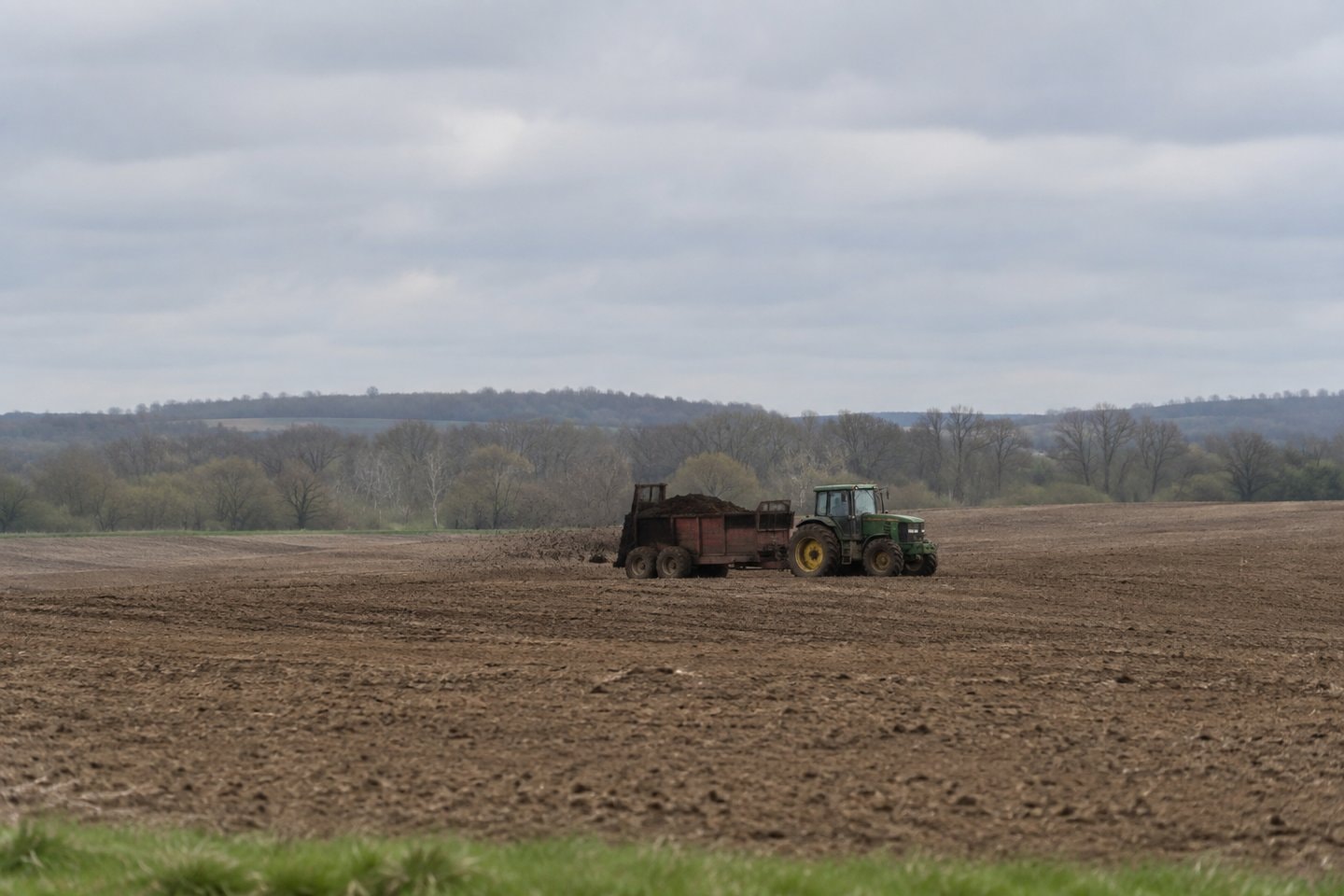
Biosolids policy concerns a material produced during wastewater treatment, the conditions for using it on land, and the assessment of substances it may contain. The EPA basic-information page explains that separating liquids and solids in a treatment plant produces sewage sludge. EPA generally uses biosolids for sludge treated to meet its use-and-disposal regulation and intended for land application as a soil conditioner or fertilizer. The distinction describes a regulatory and treatment category, rather than this reference's verdict about land application.
The material and the treatment process
Wikipedia's sewage-sludge article describes a semi-solid residual from municipal or industrial wastewater treatment. It lists processes such as thickening, dewatering, drying, digestion, lime stabilization and composting. Treatment can change the material's physical form and properties, and the article explains that the resulting contaminant concentration and availability depend on both the process and the substance. A general reference to treated sludge is therefore less specific than an account naming the treatment and the material being assessed.
The same article describes different forms of treated biosolids and methods of incorporating them into land. EPA places land application alongside landfill disposal and incineration as management options. Its explanation includes agricultural land, forests and rangelands among possible land uses and says beneficial use must meet federal, state, Tribal and local requirements. This is an account of the regulatory framework, without a recommendation for a particular farm, field or disposal method.
What the Part 503 description establishes
The EPA description of biosolids identifies its sewage-sludge use-and-disposal standards as Part 503 of the federal environmental regulations. That reference explains why biosolids is not simply a description of any untreated residual arriving from a sewer. The treatment category and the intended land use are part of the agency's terminology. A statement that material meets a regulatory standard and a research question about an additional pollutant remain different kinds of statements.
The sewage-sludge reference describes pollutant limits within the federal framework and the variation in national land-application rules. It also reports disputes about agricultural use. The organic-standard page describes a separate production framework; the sewage-sludge article states that use is prohibited for USDA-certified organic produce. This is a distinction between standards and eligible practices, without a claim that a label resolves every question about soil or food.
Presence, exposure and an assessment
The EPA pollutant-risk-assessment page explains that pollutant concentrations vary across locations and over time, depending on inputs to wastewater plants. The agency distinguishes a pollutant's presence from an estimate of risk. It describes modeling how a substance moves through the environment, estimating contact with people or ecological receptors, and comparing those exposures with relevant effect values. The risk-assessment explainer covers the same conceptual distinction between identifying a substance and evaluating a defined exposure.
EPA also describes collecting information through reviews of published literature and national sewage-sludge surveys. Its assessment explanation distinguishes screening and prioritization from refined risk assessment. Screening is used to identify substances, pathways and exposed groups warranting closer examination, and the agency says its proposed screening results are not regulatory standards or substitutes for a refined assessment. Keeping those stages separate matters when interpreting a study, a screening model or a legal limit.
The PFAS question
In its PFAS explanation, EPA describes per- and polyfluoroalkyl substances as widely used chemicals whose components break down very slowly. It reports their presence in environmental media and some foods and explains that the variety of substances creates challenges for study. The page identifies questions concerning detection, exposure, effects and management. Those questions are reported as the agency's research topics, without treating every member of the chemical family or every environmental concentration as an identical exposure situation.
The EPA sewage-sludge assessment page lists a draft risk assessment for perfluorooctanoic acid and perfluorooctane sulfonic acid, usually shortened to PFOA and PFOS. Its surrounding explanation describes refined modeling of environmental concentrations and potential exposure under common use and disposal practices. The listing identifies the subject of the draft; it does not supply a general outcome for every farm. A model's assumptions, pathways and stated uncertainties belong alongside any reported finding from an assessment.
FDA examines PFAS in food separately
The FDA PFAS page describes routes from contaminated areas into crops or animals and possible transfer through processing and cookware. It explains that FDA tests foods, develops analytical methods and can assess detected substances when reference values are available. The agency describes testing samples from the general food supply and assisting states with samples from known areas of contamination. Those sampling purposes differ. A targeted sample from a known location is not the same kind of evidence as a general food-supply survey.
The FDA page also describes examining individual PFAS in food samples and the limits of the available reference values. The agency account connects analytical results with assessments rather than treating detection alone as a completed health conclusion. The food-residue page describes another monitoring system, with different substances and standards. Similar vocabulary about detection does not make PFAS and pesticide programs one interchangeable procedure.
Why the practice is debated
The sewage-sludge article reports studies describing soil and crop benefits alongside studies examining contaminant movement and plant uptake. It also summarizes calls for caution where soil properties or unidentified components leave uncertainty. These are attributed lines of research and argument, not a verdict for or against the practice. The EPA basic-information account further explains that its disposal statistics exclude some facilities and jurisdictions and do not establish a definitive national annual total. The produce-rule overview supplies the separate context of food-production controls.