Engineered foods
Genetically engineered foods: what they are and how they are reviewed
Key points
- Genetic engineering changes DNA to introduce or alter a trait.
- U.S. food, plant-health and pesticide questions are shared across federal agencies.
- WHO and EFSA describe assessment of individual engineered products.
- Scientific findings and questions about labels or ownership address different issues.
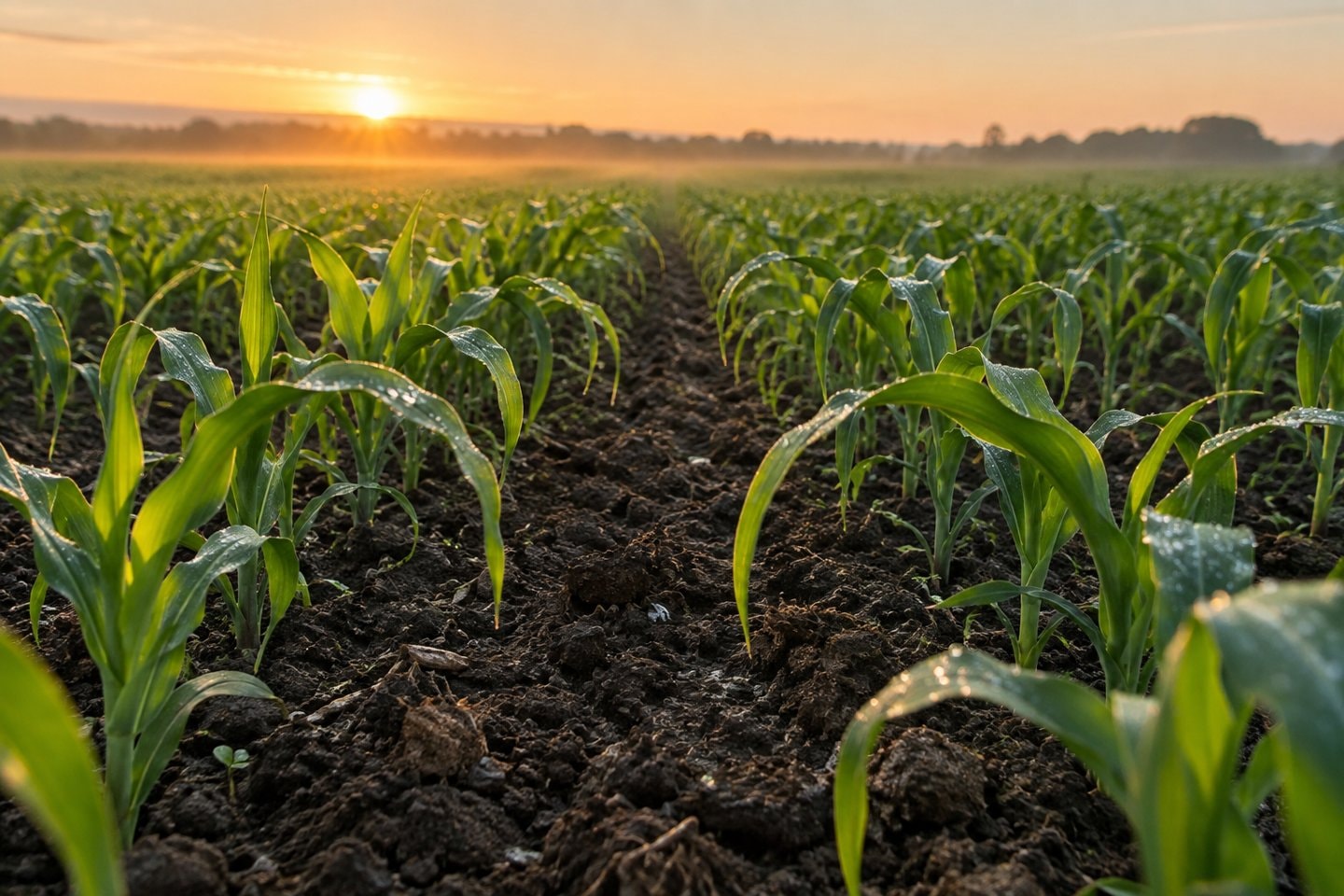
Genetically engineered foods come from plants, animals or microorganisms whose DNA has been changed using genetic engineering. DNA carries genetic information, and a gene is a part of that information associated with a trait. The subject includes the organisms grown on farms, the ingredients made from them and the way regulators review the resulting food. These are connected questions, but a crop's farm performance, its food composition and its legal status require different kinds of evidence.
From breeding to changes in DNA
The FDA's explanation of food modification describes selective breeding and cross-breeding as ways of choosing traits through reproduction. Genetic engineering can instead identify genetic information associated with a desired trait, copy it and insert it into another organism. The agency notes that engineering is often combined with traditional breeding when a commercial plant variety is developed. Its history places the first genetically engineered produce offered for sale, a tomato, in 1994, in the FDA's science and history account.
That account uses insect-resistant corn to explain the sequence from identifying a gene to growing and testing a plant. Laboratory work is followed by greenhouse and field testing rather than by an immediate move from a changed cell to a crop for sale. It also describes genome editing as a way of making targeted changes in genetic material. The shared aim of choosing a trait does not make every breeding method technically identical.
The U.S. review system
According to the FDA's description of U.S. GMO regulation, the Coordinated Framework established in 1986 explains how the FDA, USDA and EPA work together. The FDA regulates most human and animal foods and applies the same food-safety standards regardless of how a food was produced. USDA's Animal and Plant Health Inspection Service addresses plant pests and disease. The EPA regulates pesticides, including pesticidal substances that some engineered plants produce.
The FDA describes its Plant Biotechnology Consultation Program as voluntary and organized around an individual product. A developer meets with the agency, supplies food-safety assessment information, and works through the questions raised by FDA reviewers. Consultation ends when the agency has no further questions about the food from the new variety, and completed consultations are public. This is a defined exchange of information about a particular plant variety rather than a single judgment covering all genetic engineering.
The distinction between agencies matters when a crop has an insect-resistance trait. The pesticidal substance has an EPA review question, the plant has USDA questions, and the food has FDA questions. An account of a review is clearer when it identifies both the trait and the agency decision. The detailed crop examples appear in the page on herbicide tolerance and insect resistance in U.S. fields.
What international and scientific bodies report
The World Health Organization's questions and answers recommend assessing each engineered food individually, because genes and the ways they are inserted differ. WHO describes assessment of allergic reactions, nutritional changes, gene stability and unintended effects. It reports that engineered foods available on the international market had passed national assessments and that effects on human health had not been demonstrated from their consumption in the populations where they were approved. WHO also emphasizes continued assessment and appropriate monitoring.
The National Academies' news release summarizing its 2016 report states that the committee found no substantiated evidence of a difference in human-health risks between commercially available engineered crops and conventionally bred crops. The release also notes the difficulty of detecting subtle or long-term effects. The committee cautioned against applying findings about established herbicide-tolerance and insect-resistance traits to every possible future trait, and identified evolved resistance as an agricultural problem.
The European Food Safety Authority's account of GMO assessment separates its scientific advice from authorization decisions made by the European Commission and EU member states. EFSA examines molecular information, comparisons with conventional counterparts, potential allergenicity and environmental effects. It considers each application individually and can request more information. Its description also includes environmental monitoring after authorization. This division between assessment and decision-making helps explain what an EFSA opinion represents.
These reports also distinguish a scientific finding from a policy choice. A comparison of food composition can inform a review without settling questions about the information on a package or control of seed. The National Academies' release describes policy as having scientific, legal and social dimensions. WHO similarly separates food assessment from concerns about intellectual property and the distribution of benefits. Each question needs evidence suited to its subject, rather than a single claim that all participants understand in the same way.
Why the debate extends beyond food composition
Wikipedia's account of engineered-food controversies describes disagreements about labeling, regulatory rigor, research independence, pesticide resistance, mixing with other crops and control of the food supply. Critics have argued that risks have not been adequately identified and managed, while scientific bodies have supported case-specific assessment. Questions about farmers' choices and consumer information can remain contested even when participants agree on a particular study's measurements.
Several related subjects need their own explanation. Bioengineered-food disclosure concerns what appears on a label, while documented crop incidents concern material found outside its authorized use. The engineered-salmon decision shows an animal review with containment conditions. Livestock cloning concerns reproduction and is a different process from adding a trait. The page on food and farming cases explains patent and environmental-review questions that scientific assessment alone does not decide.