Farms & animals
What "USDA Organic" means
Key points
- USDA Organic describes a regulated production and handling standard.
- The National Organic Program accredits organizations that certify operations.
- Genetic engineering, ionizing radiation and sewage sludge are excluded methods.
- Organic package categories have different ingredient and seal requirements.
- Composition studies require attention to growing and handling conditions.
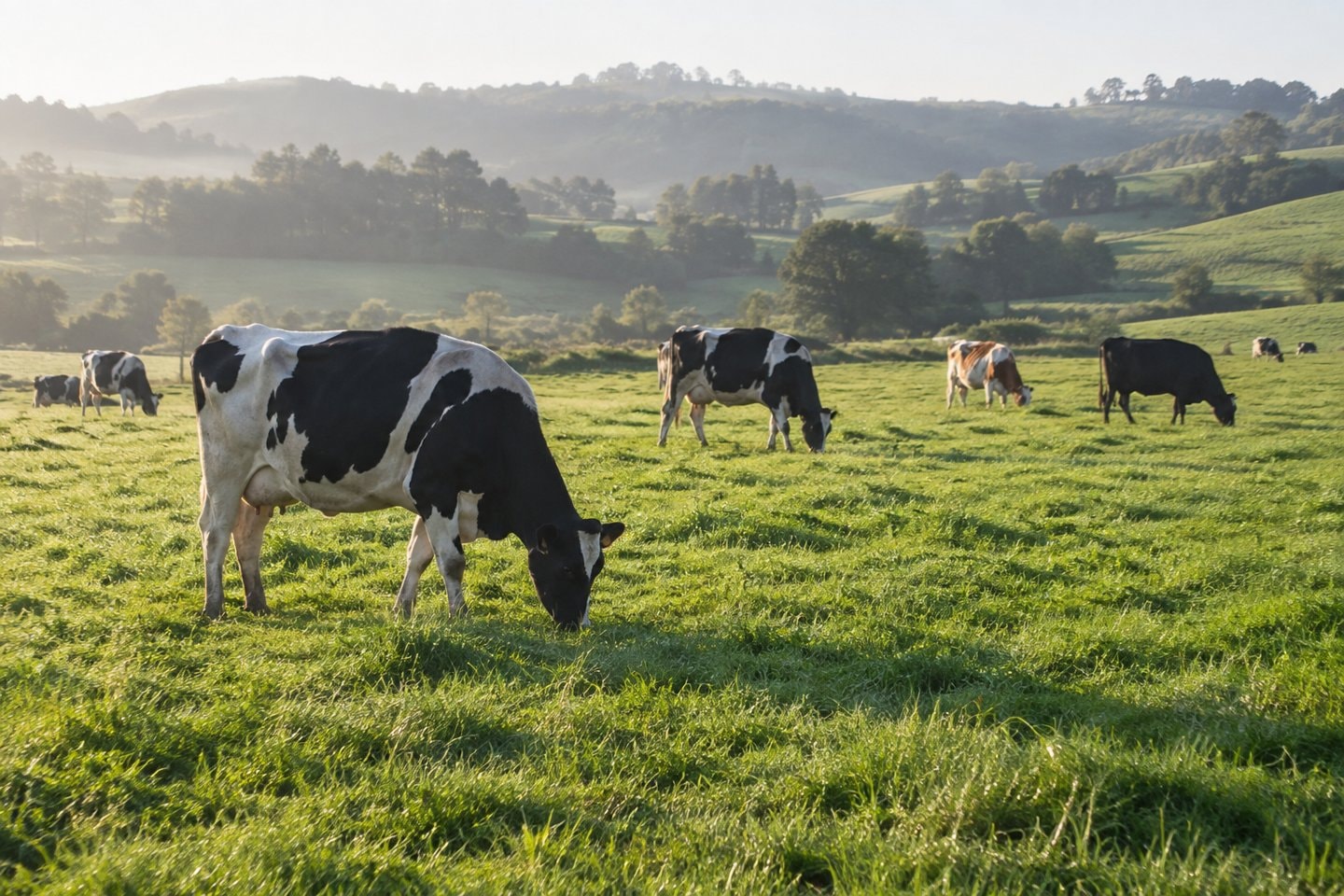
USDA Organic is a regulated description of agricultural production and handling. It concerns the methods, substances and records that an operation must use to meet a standard. It is different from an informal description of a food as natural, and it is not a stand-alone conclusion about every nutritional or environmental question. Understanding the label begins with the program that administers it, the certification process and the categories allowed on food packages.
A national production standard
Wikipedia's account of the Organic Foods Production Act of 1990 describes the law as authorizing a National Organic Program administered by USDA's Agricultural Marketing Service. The account explains that federal regulations define organic farming practices and a National List identifies permitted production inputs. Certification concerns compliance with those practices and materials, rather than a test of whether a food belongs to a vaguely defined natural category.
The act's account describes certifiers visiting producers, processors and handlers to check that operations meet the standards. It also describes an Organic System Plan setting out growing, handling and materials procedures, with on-site inspections and recordkeeping. An operation containing both organic and other production needs separation and separate records in the account. The subject of certification is consequently the way food is produced and handled across an operation.
USDA's National Organic Program page states that the federal program develops and enforces consistent national standards. The program accredits organizations that certify farms and businesses, and these certifiers work with USDA on enforcement. Accreditation and certification are different steps: USDA recognizes a certifier's role, while the certifier evaluates an operation against the organic requirements.
Allowed substances and excluded methods
The AMS explanation of organic labeling states that covered products must use permitted substances and must be produced without excluded methods, including genetic engineering, ionizing radiation and sewage sludge. It describes required practices directed toward resource cycling, ecological balance, soil and water quality and biodiversity. These are features of the production standard as the agency describes it, rather than a comparison of every organic farm with every conventional farm.
The distinction between permitted and prohibited substances matters. Organic production is not described by AMS as the absence of all inputs. The National List and other requirements determine what is allowed in a particular setting. Likewise, the exclusion of a method from the organic standard and an agency's approval of that method for another use are different regulatory questions.
For livestock, the act's reference account describes organic feed, outdoor access and limits on growth hormones and routine antibiotic use. These requirements concern raising and managing animals within the production system. The page on rbST in dairy cows reports a separate animal-product approval and milk-label debate, while antibiotics in food animals explains the antimicrobial-resistance discussion. Organic rules do not replace those subjects.
The package categories
According to AMS's labeling categories, a 100 percent organic product contains entirely organic ingredients, an organic product contains at least 95 percent organic ingredients, and a made-with-organic product contains at least 70 percent, with salt and water excluded from those calculations. The categories have different permissions for package wording and use of the USDA organic seal. A claim naming organic ingredients therefore needs to be read as the claim for its specific category.
The entirely organic and organic categories can display the USDA organic seal under the agency's explanation. The made-with-organic category can identify permitted ingredients or ingredient categories, but cannot display the seal or represent the finished product as organic. The agency also describes products that identify particular certified organic ingredients in an ingredient list without qualifying the whole product for an organic claim on its main display panel.
AMS separates the principal display panel, the part of the package most likely to be seen during purchase, from the information panel containing ingredients and other details. This distinction explains why identifying an organic ingredient and labeling a finished product organic are different acts. The label category determines both the composition requirements and where particular wording may appear.
The agency states that organic product labels require review and approval by a USDA-accredited certifying agent before use. It also describes limited certification exemptions with continuing production and recordkeeping conditions. An exemption is not permission to use the seal without certification. The agency's description makes clear that the label, the operation's compliance and the certifier's review are connected parts of the system.
What composition studies measure
Wikipedia's organic-food article reports that a 2009 systematic review did not find organic foods richer in vitamins and minerals, while a 2012 literature survey found no significant vitamin-content differences and variation across studies. The article also describes research reporting differences in particular nutrients and fatty acids. These accounts concern measured food composition; they do not provide the same kind of evidence as a study of long-term outcomes in people.
The article identifies weather, soil, crop variety, farm treatments, animal-production conditions and handling after harvest as factors that complicate comparison. Transport, storage and the time between harvest and analysis can also affect the results. Its discussion notes that a difference in water content can alter a measured concentration. A composition comparison is therefore more precise when the food, measurement and production conditions are specified.
The same article describes methodological difficulties in moving from chemical measurements to health conclusions, including differences in the habits and circumstances of people consuming organic food. The findings are reported with those limits rather than used as advice about what to buy or eat. Food irradiation explains an excluded method as its own regulatory subject, and pesticide residues on food distinguishes permitted uses, residue limits and monitoring from a production label.