Reference
Site index
Key points
- Topic groups organize pages by their main subject.
- Each description identifies a page’s scope and the connections it explains.
- The glossary, timeline and reading list provide different routes into the subject.
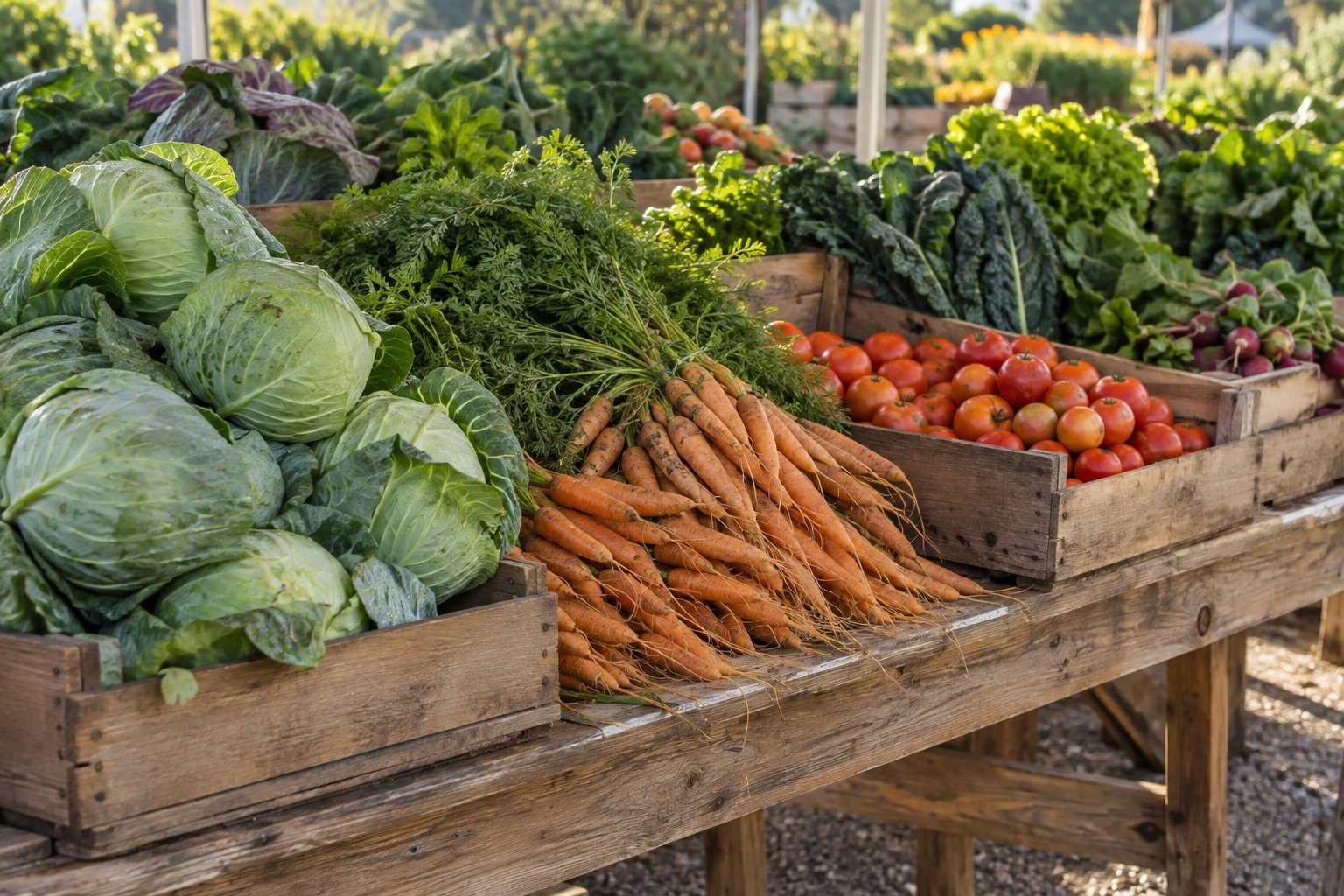
Topics connect through regulation, scientific assessment and the practical details of food production. This index groups the pages by their main subject and describes the question each covers. A subject may connect to several groups: an engineered crop can raise a food-review question, a field-management question and a labeling question without those becoming the same issue.
The homepage introduces the reference and its writing approach. The glossary defines recurring terms, while the reading list describes the official sources and reference works used across topics. The descriptions below identify scope rather than recommend a position.
Start here
Food safety and food policy, explained
The homepage introduces the reference's scope and the source-based writing approach. Its grouped topic hub connects every page on food safety, technology, farming and policy.
Food safety
Foodborne illness: the germs, the numbers, the basic precautions
This page explains the principal foodborne hazards and the scope of WHO burden estimates. It presents FDA general handling guidance, higher-risk groups and the role of recalls.
The Food Safety Modernization Act: from reacting to preventing
This page explains FSMA’s emphasis on prevention and the role of hazard-based controls. It covers produce standards, import verification, recordkeeping and recall authority.
Food additives and "generally recognized as safe"
This page explains food-additive review and the GRAS category. It traces the legal framework, notification process and attributed concerns about oversight and transparency.
Food irradiation: how it works, how it is labeled, why it is debated
Describes irradiation methods, approved foods and FDA labeling requirements. Reports agency positions, objections and process limits while distinguishing food treatment from facility regulation.
Who regulates food in the United States
This page explains the food responsibilities of FDA, USDA and EPA. It also places state oversight and international Codex standards beside federal law.
How federal food rules are made: notice, comment and petitions
This page explains notice-and-comment rulemaking and the FDA citizen-petition procedure. It distinguishes proposals, dockets, administrative records and final agency decisions.
Reading food-risk claims: hazard, risk and why experts disagree
This page explains hazard identification, exposure and risk assessment. It compares agency conclusions and describes substantial equivalence and precaution as distinct assessment and policy concepts.
Engineered foods
Genetically engineered foods: what they are and how they are reviewed
Explains genetic engineering and how food, plant and pesticide reviews fit together. Reports the positions of WHO, EFSA and the National Academies alongside the concerns described in reference works.
Engineered crops in U.S. fields: herbicide tolerance and insect resistance
Describes the dominant engineered crop traits and the EPA review of plant-incorporated protectants. Explains drift, resistance and the agricultural findings reported by the National Academies.
Labeling engineered food: from voluntary claims to "bioengineered" disclosure
Explains the national bioengineered-food definition and the disclosure methods described by USDA. Places the standard alongside earlier U.S. policy, European labeling and the arguments about consumer information.
When unapproved engineered crops turned up in food
Reports the StarLink corn, LL601 rice and Oregon wheat incidents with their regulatory responses. Explains why pharmaceutical-crop containment involves both reproduction and the handling of harvested material.
Engineered fish: the AquAdvantage salmon decision
Describes the genetic alteration and FDA application for AquAdvantage salmon. Explains the containment conditions reported in reference sources and distinguishes approval, imports and labeling.
Food from cloned animals
Explains how livestock are cloned and why sexually reproduced offspring are not new clones. Reports the FDA food conclusion and separates it from animal-health and developmental questions.
Food and farming in court: cases that shaped U.S. food-technology rules
Explains landmark biotechnology patent cases and the engineered-alfalfa ruling. Traces sugar-beet review decisions and separates court remedies from scientific food assessment.
Farms & animals
rbST in dairy cows: approval, use and the milk-label disputes
This page explains FDA approval and the animal-health reasons described for different decisions abroad. It distinguishes label claims, milk composition research and the biology of digestion.
Growth hormones in beef cattle: U.S. approvals and the EU ban
This page explains FDA approvals for steroid-hormone implants and how the agency evaluates residues. It compares that account with the European ban described in a research review and the role of international standards.
Hormones, growth factors and peptides in food: what the body does with them
This page follows hormone classes, the growth-hormone system and the digestion of dietary proteins. It reports dairy research and its limits, distinguishing protein hormones from steroid residues.
Antibiotics in food animals and antimicrobial resistance
This page separates purposes of antibiotic use from the development and movement of bacterial resistance. It explains FDA actions, the Veterinary Feed Directive and the policy debate.
Mad cow disease (BSE) and the feed rules that followed
This page describes BSE, its spread through rendered feed and the relationship to variant CJD. It explains FDA feed restrictions and distinguishes the first U.S. case from later atypical detections.
Fish farming: how aquaculture works and what is debated
This page explains freshwater and marine aquaculture, hatcheries and farming systems. It reports NOAA's U.S. role and source accounts of escapes, disease, feed and pollution questions.
What "USDA Organic" means
Explains organic certification, excluded methods and the categories permitted on packages. Reports composition research with its methodological limits and distinguishes that evidence from the production standard.
Land, water & climate
Pesticides and their residues on food
This page explains pesticide registration, residue tolerances and monitoring. It reports agency glyphosate assessments, international standards, dicamba drift and the scope of exposure research.
Biosolids on farmland: the Part 503 rule and the PFAS question
This page explains biosolids treatment and the land-application framework. It distinguishes pollutant screening, refined risk assessment and FDA food testing while reporting the attributed debate.
Food, farming and climate
This page explains agricultural emission processes and how inventory boundaries affect comparisons. It reports EPA categories, the IPCC land framing and debate over FAO livestock estimates.
Reference
Timeline of U.S. food safety and food technology
Follow a chronology of food laws, agency actions, engineered-food incidents, court decisions, and scientific publications. Each milestone names the source that supports its date and scope.
Further reading: official sources and reference works
This page groups official sources and reference works by their subject areas. Its annotations explain what each source covers and how it relates to the topic pages.
Glossary
This page defines recurring terms from food regulation, evidence, farming and biology. Each entry links to the topic that explains the term in context.
Site index
This page groups every content page by its subject area and gives a short description. It provides an overview of the reference and routes between topics.
About Plate & Policy
This page explains the reference's independent, neutral purpose and how its sources are presented. It describes the topic groups and the site's limits, with the full non-affiliation notice.