Farms & animals
Antibiotics in food animals and antimicrobial resistance
Key points
- WHO describes antimicrobial resistance as microbes no longer responding to antimicrobial medicines.
- Livestock uses include disease management and historical growth promotion.
- FDA records removal of production uses for medically important antimicrobials in feed or drinking water.
- VFD-designated feed use requires licensed-veterinarian supervision.
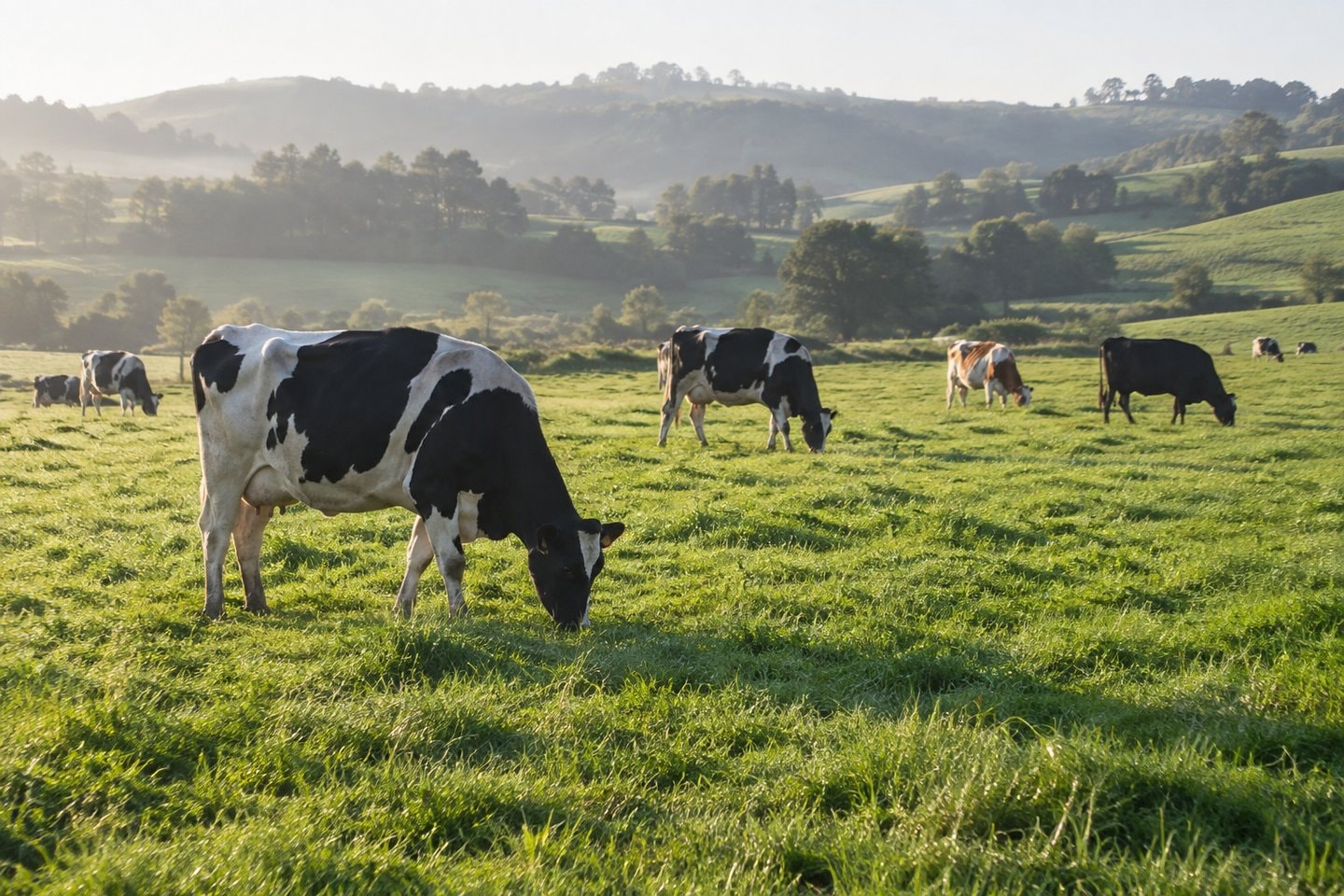
The food-animal antibiotic discussion concerns animal disease, farming practices, microbes and public policy. It is different from the question of whether a food contains a chemical residue. A residue is material left in a sample; antimicrobial resistance concerns how microbes respond to antimicrobial substances. The distinction helps explain why regulators examine farming uses and monitor bacteria across food, animals and people. A statement about approved use, a sales report and a laboratory resistance finding each describes a different part of the subject.
Why antibiotics have been used in livestock
Wikipedia's account of antibiotic use in livestock describes use for an ill animal, for a group in which infection has been diagnosed, and for prevention. It also describes the historical use of antibiotics to increase growth and feed efficiency. Those purposes are distinct even when they involve the same broad category of substances. The article summarizes the role that veterinary disease management plays in arguments about livestock policy.
The reference also describes disagreement about restrictions. It reports calls to reduce non-therapeutic use and improve surveillance, while noting that the World Organisation for Animal Health has argued against a complete ban on antibiotics in animal production. Its account identifies animal welfare, disease management, productivity and human and environmental health as parts of that debate. Reporting those arguments does not require presenting all farming uses as identical or deciding which restriction is preferable.
Resistance develops and spreads in microbes
The World Health Organization's antimicrobial-resistance fact sheet defines resistance as bacteria, viruses, fungi or parasites failing to respond to antimicrobial medicines. It describes misuse and overuse as drivers of resistant pathogens' development and spread. Its account also identifies sanitation, infection prevention, access to appropriate resources and enforcement of legislation as relevant factors. The WHO description extends across people, animals and plants.
Antibiotic resistance is the bacterial part of that broader subject. The livestock reference describes changes in bacterial genes and acquisition of genetic material from other bacteria as mechanisms of resistance. Its explanation of gene transfer includes direct cell contact as well as other routes. In this account, the bacteria carry the resistance; the term does not mean that an animal or person has become resistant as a whole.
The same reference describes potential movement through contaminated food, contact with animals and the environment. It discusses manure, runoff and wastewater as possible environmental routes. It also notes limits in identifying the scale of transmission and establishing causality in particular studies. A possible route and a measured contribution to human infections are not the same finding. Describing the route does not assign a proportion of all resistant infections to farming.
FDA actions: production uses and veterinary oversight
The FDA's antimicrobial-resistance timeline records establishment of the National Antimicrobial Resistance Monitoring System in 1996, issuance of the Veterinary Feed Directive final rule in 2015, and completion in 2017 of the transition that eliminated production uses of medically important antimicrobials in food-animal feed or drinking water. These entries describe separate steps: collecting evidence, establishing oversight rules and changing the approved purposes and marketing status of affected uses.
The timeline explains medically important antimicrobials as those important for treating human disease. It describes ending production purposes such as increased weight gain and improved feed efficiency while bringing remaining disease-related uses under veterinary oversight. This is a defined category of uses, not an account of removing every antibiotic from all animal care. The specificity matters when a headline compresses the change into a broad antibiotic-ban claim.
The FDA's account also includes assessment of resistance during approval and work to improve data about sales and use. It describes reports of bacteria from people, raw retail meats and animals at slaughter. Those sampling streams provide different views of the same broad question. A change in sales is not, by itself, a measurement of resistance in a bacterial sample, just as a resistant isolate does not directly describe every farm's practices.
What the Veterinary Feed Directive means
The FDA's Veterinary Feed Directive page explains that a VFD-designated substance is intended for animal feed and may be used only under a licensed veterinarian's professional supervision. It describes a regulatory category with a defined oversight requirement. The page is explanatory background to the timeline's changes, rather than a substitute for the details of an individual approval.
The distinction between feed use and other settings helps identify the scope of a policy statement. A requirement for veterinary oversight and a removal of a growth-promotion purpose do different work. One concerns who supervises a permitted use; the other concerns which purpose remains authorized. The page on how federal food rules are made explains the rulemaking process behind changes of this kind.
A food-chain example and related reading
The WHO's non-typhoidal Salmonella fact sheet identifies resistant serotypes as a food-chain concern and describes Salmonella moving through feed, production and food handling. It also describes integrated resistance surveillance using samples from people, foods and animals. This is a concrete example of why an antimicrobial-resistance question can extend beyond an individual farm or a single laboratory measurement.
The foodborne-illness page describes agency accounts of pathogens and general handling precautions. The page on aquaculture covers another form of animal-food production and the distinct questions about farming systems. Across these subjects, the useful distinction is between the organism under study, the practice being regulated and the evidence used to measure an outcome.