Food safety
The Food Safety Modernization Act: from reacting to preventing
Key points
- FDA describes FSMA as shifting attention from response toward prevention.
- Preventive-control plans connect identified hazards with monitoring, corrective actions and records.
- The produce rule addresses growing, harvesting, packing and holding activities.
- Import verification and recall authority are distinct parts of the framework.
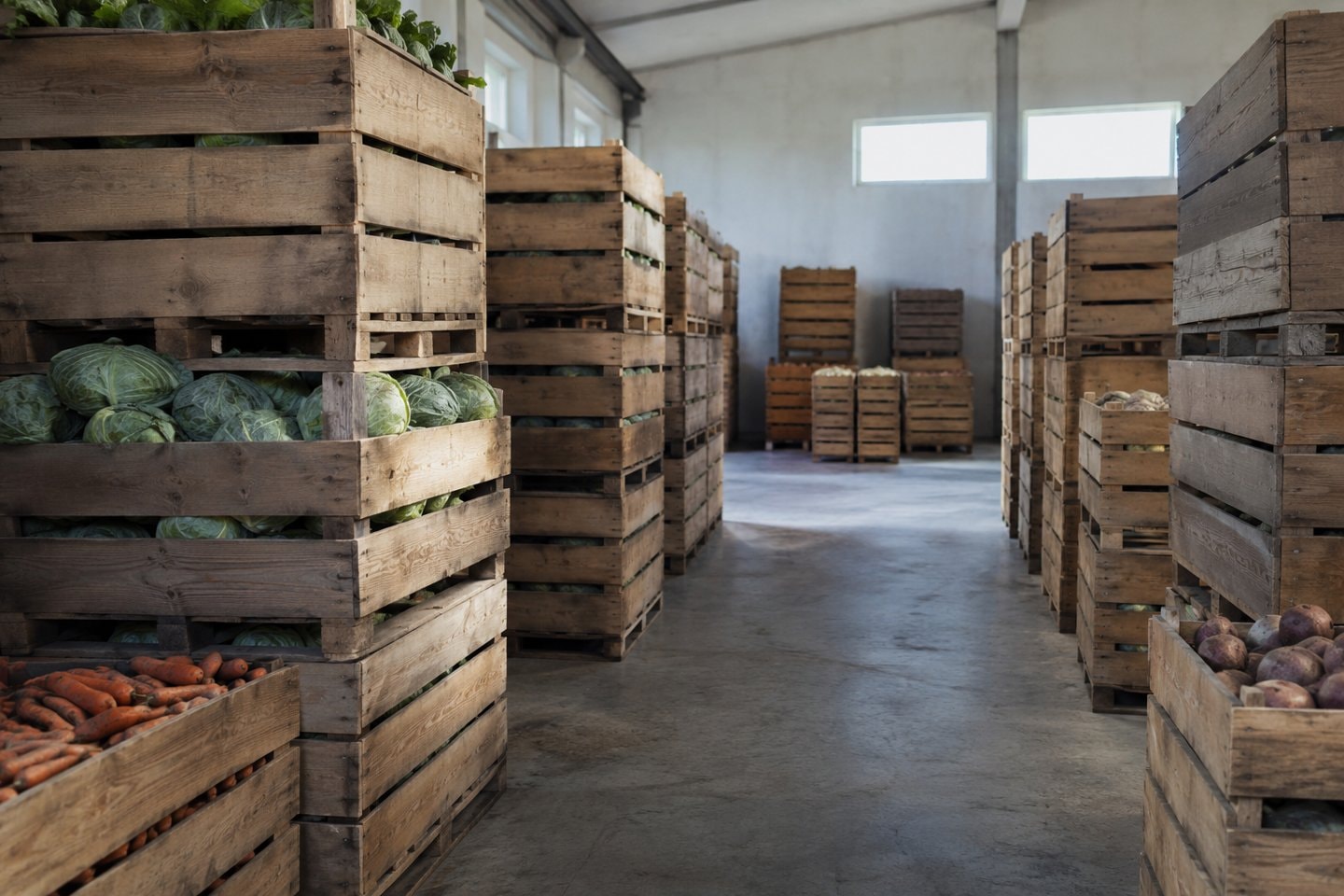
The Food Safety Modernization Act, or FSMA, is a framework for prevention across food production and distribution. The FDA overview of FSMA describes its central change as a shift from responding to foodborne illness toward preventing it. The agency places responsibility at multiple points in a global supply chain, covering human and animal food. That framing is broader than testing a finished product after a problem is found: it includes the conditions, controls and records used while food is produced and moved.
A statute implemented through several rules
Wikipedia's FSMA article records that the law was signed in January 2011 and gave FDA new authority over the growing, harvesting and processing of food, including mandatory recall authority. The statute and its implementing rules are different parts of the regulatory framework. FDA's overview identifies rules on preventive controls, produce, transportation, import verification, laboratory accreditation and traceability. Reading the framework as a collection of programs explains why a produce farm and an importer can face different requirements under the same act.
The agency says that the FSMA rules are intended to define actions at different points in the supply chain to prevent contamination. A rule concerning sanitary transportation addresses a different stage from a rule concerning preventive controls in a processing facility. The agency map places FDA's remit alongside USDA and EPA responsibilities. FSMA does not make every food-related decision part of one identical inspection or review process.
Preventive controls connect a hazard to a process
The FSMA reference describes written hazard-analysis and preventive-control plans that evaluate hazards, identify controls, specify monitoring, keep records and establish corrective actions. In this account, a plan concerns both what could go wrong and how a facility checks the relevant controls. A record of monitoring is different from merely naming a hazard. The explanation also distinguishes preventive controls for human food from those applying to animal-food manufacturing, which FDA lists separately among its implementing rules.
A useful comparison is hazard analysis and critical control points, or HACCP. Wikipedia's HACCP article describes a preventive system addressing biological, chemical and physical hazards in production. It explains that the method seeks to control hazards within a process instead of relying only on inspection of finished products. The comparison concerns an organizing idea behind food-safety management; it does not mean that every FSMA requirement is legally identical to every HACCP requirement.
In the HACCP account, a critical control point is a stage at which a control can be applied to address an identified hazard. The framework includes limits, monitoring, action when a limit is not met, verification and records. Monitoring describes checking the process, while verification examines whether the system is working as intended. This vocabulary helps explain preventive-control discussions without giving a facility-specific operating plan. Actual requirements depend on the applicable regulation and the operation being described.
The produce rule addresses farm activities
The FDA produce-safety rule page describes minimum standards for growing, harvesting, packing and holding fruits and vegetables for human consumption. Its account includes agricultural water, biological soil amendments, animals in growing areas, worker hygiene, equipment and buildings. These are parts of the farm and handling environment, rather than a single finished-food test. The agency also explains that coverage, exclusions and modified requirements depend on the operation. The overview here describes the subjects regulated without assigning a particular farm to a legal category.
The produce page defines a soil amendment as material added to improve soil's chemical or physical condition or its ability to hold water. It describes requirements intended to limit contact between untreated biological amendments of animal origin and covered produce. The FDA account separately addresses composting processes and sprout production, including testing and corrective actions for the latter. The biosolids page covers a different regulatory program for treated sewage sludge; similar words about soil do not make the programs interchangeable.
The same produce-rule explanation discusses domesticated and wild animals and describes checking growing areas for evidence of potential contamination. It states that farms are not required to exclude animals from outdoor growing areas, destroy habitat or clear field borders. Worker training, hygiene and maintenance of tools are also covered. The agency's account therefore involves several possible pathways and activities, rather than presenting one farming method as an all-purpose answer to contamination questions.
Imported food and verification
The FSMA reference describes importers' responsibility to verify that foreign suppliers have adequate preventive controls. It also explains third-party certification, conditions for some imported foods, and authority to refuse entry when inspection access is denied. FDA's overview lists its foreign-supplier verification and accredited third-party certification programs. These provisions concern assurance and oversight across a supply chain; they are different from a claim that the geographic origin of a food establishes its handling conditions or regulatory compliance.
Response powers remain part of the system
Prevention does not remove the response side of oversight. The FSMA article describes mandatory recall authority, access to records and measures to improve tracing of food through distribution. The FDA recall-notice page explains that its listing contains information from certain public notices and is not a complete listing of all recalls. A notice reports a particular issue; it does not by itself describe every preventive-control requirement that applied earlier in production.
The foodborne-illness page presents the agencies' general information and household handling guidance, while the rulemaking explainer follows how federal requirements are proposed and finalized. Together, the subjects show different levels of prevention and response: population information, food production controls, regulatory procedures and practical handling. FDA's FSMA overview supplies the organizing emphasis on prevention, with separate rules addressing the different stages rather than a single uniform recipe.