Engineered foods
Engineered crops in U.S. fields: herbicide tolerance and insect resistance
Key points
- Herbicide tolerance and insect resistance address different field problems.
- EPA reviews plant-incorporated pesticidal substances and their genetic material.
- Weed resistance and herbicide drift are distinct questions.
- The National Academies reported that crop outcomes depend on traits and farm conditions.
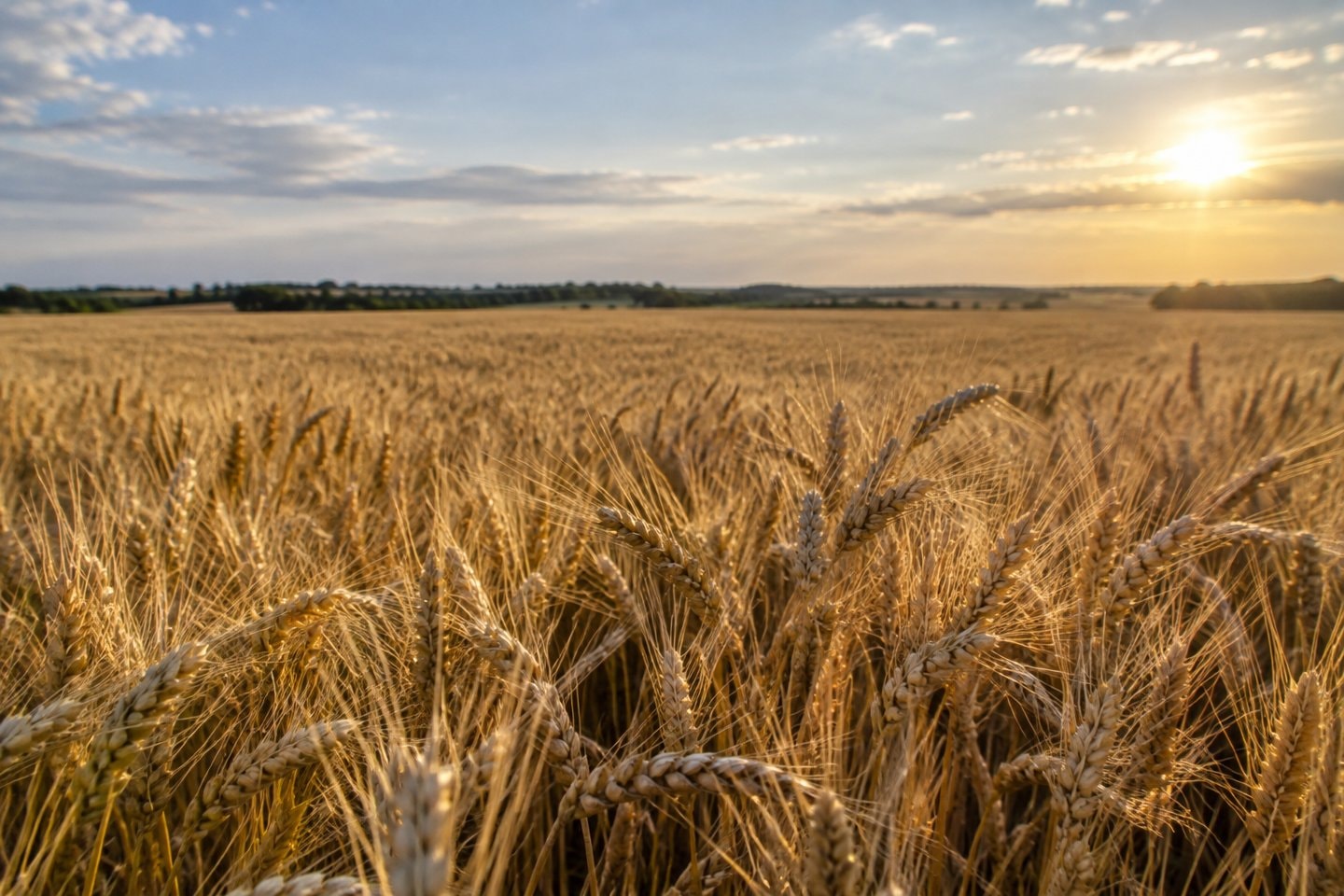
Engineered crops are better understood through their traits than through a single description of genetic engineering. A trait is a characteristic of a plant, such as tolerance of a particular herbicide or resistance to an insect pest. The same crop species can carry different traits, and a plant can carry more than one. Questions about weeds, insect damage, yields and food use therefore begin with what was changed and how the crop is grown.
What a crop trait changes
Wikipedia's overview of engineered crops describes genetic engineering as a way to add or remove genetic information in an agricultural plant. Traits include pest and disease resistance, changes in food composition and resistance to selected chemical treatments. It also distinguishes plants containing genetic information from another species from plants changed by removing or reducing the activity of existing genes. These are different technical routes within the wider subject of crop modification.
Herbicide tolerance refers to a crop's ability to withstand a herbicide used in the field. Insect resistance concerns a plant characteristic that acts against a pest. A tolerance trait in the crop and resistance evolving in a weed are separate concepts: the first is an intended crop characteristic, while the second concerns the target of the weed-control practice. Similar wording can obscure this difference unless the plant or insect under discussion is identified.
The FDA's account of crops and animal food reports that, in 2020, engineered varieties represented 94% of soybeans planted, 96% of cotton planted and 92% of corn planted in the United States. Those figures concern planting, rather than the share of every food in a grocery store. The agency explains that many engineered crops become ingredients, including cornstarch, oils and sugar, and that much of the U.S. crop output is used for animal food.
Bt and the EPA's pesticide review
Bt is short for Bacillus thuringiensis, the bacterium associated with proteins used in insect control. In an engineered Bt plant, genetic information enables the plant to make a pesticidal protein. According to the EPA's explanation of plant-incorporated protectants, its regulatory subject includes both the pesticidal substance and the genetic material needed to produce it. The EPA distinguishes this review from regulation of the plant itself.
The EPA states that registration decisions require data about human health, organisms that are not intended targets, environmental effects, possible gene flow and insect-resistance management. Gene flow means movement of genetic information through reproduction or other transfer. An insect-resistance management plan addresses the possibility that a pest population will become less responsive to the crop's pesticidal trait. The trait's performance and the way it is managed are consequently linked questions in the agency's review.
A pesticide can be sprayed on a crop or produced within a plant, but those routes do not erase questions about the substance and its exposure. The EPA's account describes studies and external scientific review as part of its assessment of plant-incorporated protectants. The broader treatment of pesticide registration and food residues appears in the page on pesticides and their residues on food.
Herbicide tolerance, drift and resistant weeds
Glyphosate-tolerant crops allow glyphosate to be used against weeds while the crop survives the treatment. The National Academies' account of established engineered crops identifies weed resistance to glyphosate as a problem in many locations. This concerns weeds evolving under selection pressure, rather than the initial engineering of the crop. The report discusses integrated weed management as an approach to delaying that evolution, without presenting a crop trait as a permanent answer to weed control.
Wikipedia's dicamba article describes another herbicide-tolerance system and the concerns about movement away from treated fields. In its account, dicamba-tolerant soybean and cotton crops were developed to survive the herbicide, while neighboring plants could remain susceptible. The article reports the EPA's identification of spray drift as the principal ecological risk to non-target terrestrial plants. It also describes growers' concerns about needing resistant crops to limit damage from off-site movement.
Drift and resistance need separate evidence. Drift concerns where an application travels, while resistance concerns changes in the response of weeds over repeated exposure. The dicamba article describes regulatory restrictions intended to reduce movement outside treated areas. These restrictions belong to the conditions of pesticide use; they are not the same decision as identifying the genetic characteristic of a crop.
What the National Academies found
The National Academies' release on its 2016 crop report describes reduced losses from insect pests but no evidence that engineered crops changed the overall rate of increase in U.S. soybean, cotton and maize yields. It reports that economic outcomes were generally favorable for adopters but varied with pest abundance, farming practices and agricultural infrastructure. This separates avoiding damage in a field from changing the long-term trend in a crop's yield.
The committee reported resistance in target insects where resistance-management practices were not followed. Its environmental assessment found no conclusive evidence of cause-and-effect relationships between the established engineered crops and environmental problems, while noting the difficulty of assessing long-term changes. The release also reports that gene flow had occurred without demonstrated adverse environmental effects in the examples reviewed. These are the committee's findings about the crops and evidence it examined, rather than a conclusion about every trait.
Alfalfa and sugar beets show why field traits also have regulatory and legal dimensions. The FDA's crop account describes engineered alfalfa as cattle feed and engineered sugar beets as a source of granulated sugar, with herbicide tolerance used in both. The page on food and farming in court explains disputes over environmental review and the scope of court orders for these crops. Documented crop incidents examine a different question: whether material reached a use for which it had not been authorized.