Engineered foods
When unapproved engineered crops turned up in food
Key points
- Authorization for animal feed and authorization for human food can differ.
- StarLink corn led to food recalls and supply monitoring.
- USDA detected LL601 rice in export shipments and later changed its regulatory status.
- The Oregon wheat investigation reported no evidence of entry into commercial supply.
- Pharmaceutical-crop containment addresses both field biology and handling.
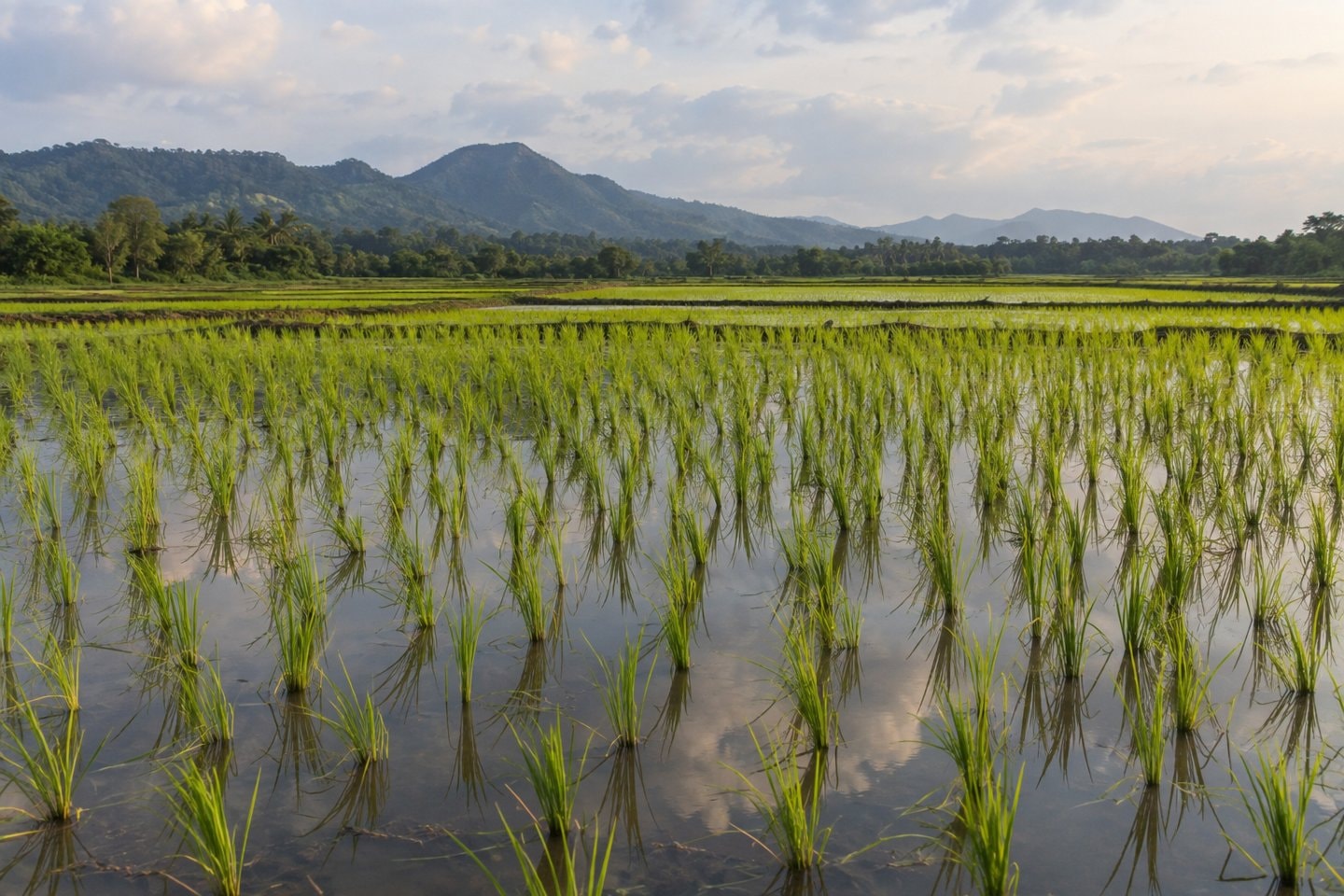
An engineered crop's authorization can depend on the intended use. Material allowed in animal feed may have a different status for human food, while a plant grown in a field trial may not have authorization for commercial planting. Documented incidents therefore require attention to the crop, the use that was authorized, the place it was found and the response of the responsible agency. A detection and a conclusion about effects on health are also distinct findings.
Feed-only corn in human food
Wikipedia's account of the StarLink corn recall dates the recalls to autumn 2000, when food products contained engineered corn that had not been approved for human consumption. The article describes corn with a herbicide-tolerance trait and a Bt protein that had not previously been used in an engineered crop. The EPA had approved the corn for animal feed while questions about the protein's potential allergenicity remained unresolved for human-food use.
The distinction between feed and food was central to the incident. In the article's account, grain from different growing areas entered mills through elevators that did not segregate engineered and conventional corn. Detection in a finished food therefore raised a question about whether the material had stayed within the authorized channel. Recalls addressed the human-food products, rather than converting the feed authorization into permission for that use.
The article reports that the crop's registration was voluntarily withdrawn after the recalls. It also describes a testing and buyback program that directed affected grain to animal feed and non-food industrial uses, with equipment and storage cleaning among the program's costs. These responses concerned the distribution system as well as the product found in food. The record does not support treating detection alone as evidence of a particular clinical outcome.
The same StarLink reference reports that the Federal Grain Inspection Service monitored the U.S. corn supply for the relevant Bt proteins from 2001 until 2010. It separately describes the review of reported adverse reactions and a blood study that found no evidence associating the reported reactions with hypersensitivity to the StarLink Bt protein. Monitoring the supply and examining reported reactions answered different questions about the same incident.
Engineered rice in export shipments
Wikipedia's engineered-rice article reports that USDA found traces of the unapproved LL601 rice in shipments ready for export in summer 2006 and granted the variety deregulated status in November 2006 after an application. The article states that the exact route by which the material entered those shipments was not discovered. This sequence separates the status of the material when it was detected from the later regulatory action concerning that variety.
The rice account describes interruptions in international trade, including import suspensions by Japan and Russia. It also reports that related rice varieties had received approvals without becoming commercial crops. Approval, commercial planting and detection in a shipment are therefore separate events in the account. A statement that a crop was found in export rice does not, by itself, establish which field, handling step or movement of seed explains the finding.
Wheat found outside commercial planting
According to Wikipedia's engineered-wheat article, unapproved glyphosate-resistant wheat was found on an Oregon farm in May 2013, APHIS closed that investigation in 2014 without finding evidence of entry into commercial supply, and USDA reported engineered wheat in an unplanted Washington field in 2019. The article describes extensive testing to identify the wheat and a temporary suspension of U.S. soft-white-wheat imports by Japan. The investigation's conclusion concerned the commercial supply, not a complete explanation of the plant's origin.
The wheat account also distinguishes experimental development from a marketed crop. Field tests can evaluate a plant without leading to commercial distribution. In the Oregon incident, the origin remained unexplained in the account, while overseas buyers later resumed orders. This makes the difference between a plant detected in a field and material demonstrated in commerce especially important to reporting the event.
Pharmaceutical crops and containment
Wikipedia's account of pharming reports that volunteer engineered corn plants were harvested with a subsequent conventional soybean crop in late 2002 and that APHIS tightened rules for pharmaceutical-crop field trials in 2003. Volunteer plants are plants that grow from material left by an earlier crop. The agency response described in the article included an order to pay cleanup costs, illustrating how a later crop could become part of the handling problem.
Pharming uses engineered plants or animals to produce pharmaceutical proteins or other compounds. The article distinguishes this purpose from producing food, and describes concerns that pharmaceutical crops could enter food channels or exchange genes with conventional crops. Its discussion of containment includes greenhouse production, plant-cell cultures, self-pollinating crops and non-food crop choices. These approaches address different routes by which material can move.
The article also notes that choosing a self-pollinating crop does not eliminate handling errors. Pollen movement and mixing after harvest are separate pathways. Containment discussion consequently includes both the biology of reproduction and the practical separation of seed, fields and harvested material. The concerns are attributed to the reference account rather than extended into a general judgment about every pharmaceutical crop.
Reading an incident record
A useful account distinguishes detection, authorization, investigation, recall, monitoring and any later regulatory decision. These words describe different steps, and their order matters. The crop-trait background appears in engineered crops in U.S. fields. The page on bioengineered-food disclosure addresses information on food labels, while food and farming cases explains disputes about the legal review of crops. Neither a label nor a court remedy alone supplies an incident's factual history.